



Listen to this page
0:005:32 left
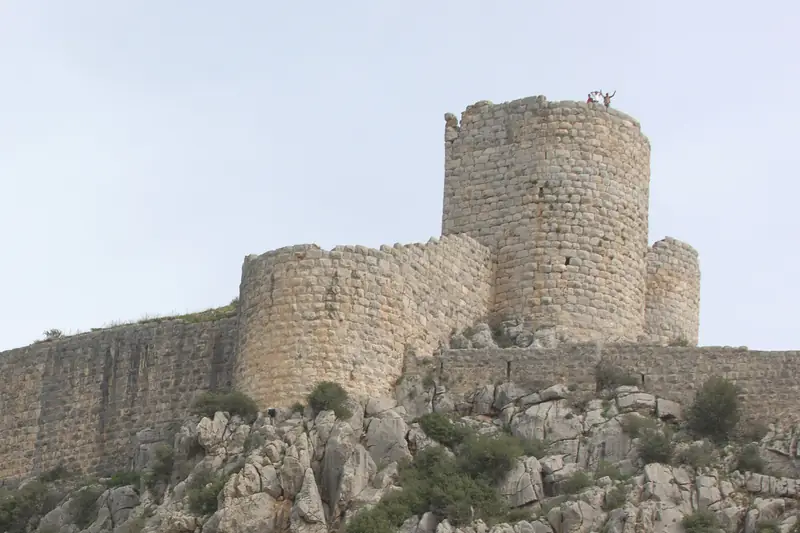
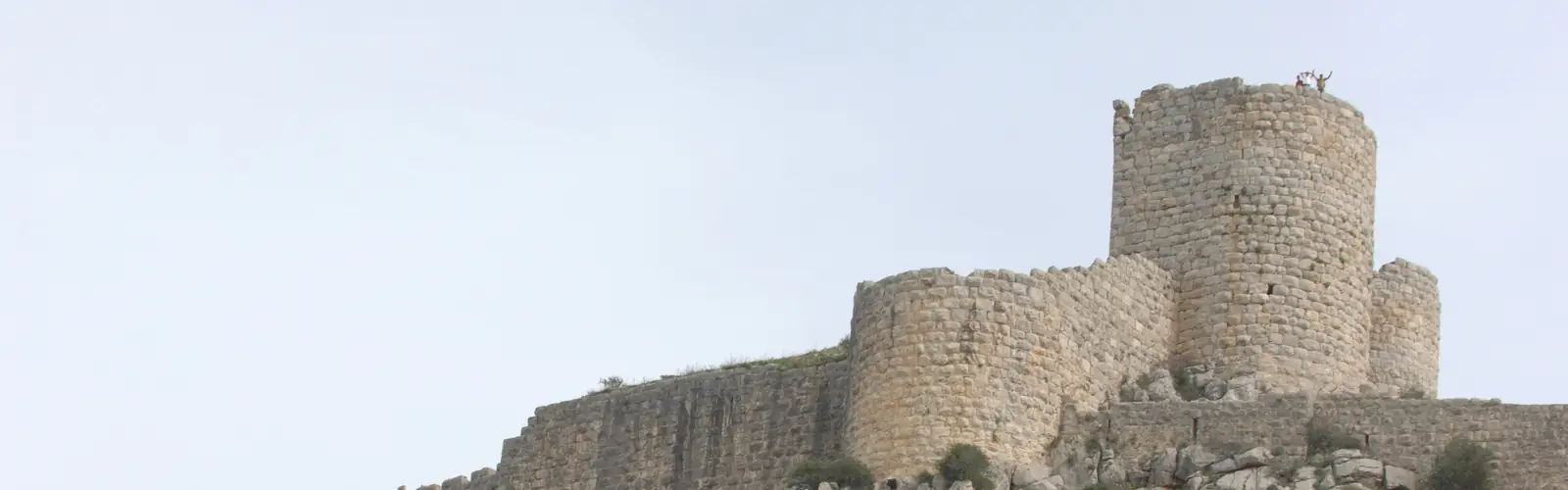
Yılankale is a medieval castle in the Ceyhan district of Adana, rising on a rocky hill above the Ceyhan River. It is about 50 km from Osmaniye on the D-400; the journey takes 45–50 minutes. Seen from a distance, with its towers and crenellated walls rising out of the rocks, it is one of the well-known silhouettes of the Çukurova plain. Below we explain how to get to the castle, its short history and a day-trip plan.
Where is Yılankale and how do you get there from Osmaniye?
According to Wikipedia, the castle is 13 km from Ceyhan and about 3 km from the old E-5 (today's D-400) highway, on the bank of the Ceyhan River, northeast of Misis. The Yılankale junction on the O-52 motorway also takes its name from the castle.
In our route calculation (OpenStreetMap data, OSRM), the route leaves Osmaniye on the D-400 and heads west towards Toprakkale and Ceyhan. After Ceyhan you turn off onto the castle road; from Ceyhan town centre to the castle is about 11 km. The distance depends on your starting point: about 50 km from Osmaniye city centre and from our rank in Fakıuşağı, about 39 km from Toprakkale. If we use the motorway we exit at the Yılankale junction; since the O-52 is a toll road, we state this clearly in the quote.
A short history: from Cilicia to the Ramadanids
According to Wikipedia, the castle was built in the 12th century, during the Crusades, by King Levon I of the Armenian Kingdom of Cilicia; the Crusaders and the Byzantines also used it. The walls bear traces of Byzantine, Crusader and Armenian repairs, and an Armenian inscription recording the repairs is still there. After 1357, under the Ramadanid Beylik, the castle was abandoned.
The castle's circuit is about 700 metres. Between the walls stand eight towers, each two storeys high. Inside are three courtyards linked by gates; the uppermost and best-protected part holds the cisterns and a chapel.
Why is it called Yılankale?
The castle's Armenian name means "Levon's castle". In the 17th century Evliya Çelebi, drawing on the Şahmaran legend told in the area, referred to it as the Castle of Şahmaran; the story of Şahmaran, half woman and half snake, is still told in Çukurova. Over time the castle became known as Yılankale, which means "Snake Castle"; locally it is still sometimes called the Castle of Şahmeran.
Visiting tips
- Season and time of day: Walking on the rocky slope in the Çukurova summer heat is tiring; autumn and spring are more comfortable. Morning and late-afternoon light is good for photos.
- Shoes and water: The climb to the castle is rocky and steep in places. Wear flat, non-slip shoes and bring water and a hat.
- Children and older visitors: At ruins, the edges of walls and towers may have no railings; keep children close. If a relative finds walking difficult, viewing the castle from its foot is also a fine option.
- Visiting arrangements: Opening hours, admission, or closures for restoration can change from time to time; before you set off, check the current information with the Adana Provincial Directorate of Culture and Tourism.
Same day: Anavarza or Ceyhan
A visit to Yılankale alone does not fill half a day, so adding a second stop is easy. From the castle to Anavarza Ancient City is about 37 km; seeing Anavarza's triumphal arch and colonnaded street in the morning, Yılankale in the afternoon and returning to Osmaniye in the late afternoon is a comfortable plan. If you have business or a visit in Ceyhan, we can add it to the route on the way. If you want to continue towards Kozan, you will find the road notes in our Kozan guide.
A day trip by taxi: fixed price and waiting
Because Yılankale is outside the province, this trip is not on the taxi meter but at a fixed price we give you before setting off. We can arrange for the car to wait and bring you back, or to come back for you at an agreed time; if you do not know how long the visit will take, keeping the car on an hourly taxi arrangement may be more flexible. When you ask for a quote, tell us how many of you there are, the stops you want and how long you want to spend at the castle; we give you the return time and the price together.
Ask for a fixed-price quote
On long trips we give you a fixed price before departure instead of running the meter. Fill in the form; it opens in WhatsApp with the template below and we reply with the price in the same chat.
Template: “From · To · Date · Time · Passengers · Luggage · One way / Return”. We agree details such as motorway, waiting and the return trip together in the quote.
Tip: If you also want to see the castle at sunset, plan to come down before the sun sets so that you do not walk the path back in the dark.
Frequently asked questions
According to Wikipedia, Yılankale is 13 km from Ceyhan; in our route calculation (OpenStreetMap data, OSRM), it is about 11 km from Ceyhan town centre to the castle road. The castle is about 3 km from the old E-5, today's D-400 highway.
The road of about 50 km from Osmaniye city centre on the D-400 takes 45–50 minutes once a margin is added to the traffic-free driving time. Starting from Toprakkale the road drops to about 39 km. If we use the motorway, we exit at the Yılankale junction on the O-52; we state in the quote which road we will take and the motorway toll.
According to Wikipedia, the castle's Armenian name means "Levon's castle". In the 17th century Evliya Çelebi named it the Castle of Şahmaran, after the Şahmaran legend told in the area; over time the castle became known as Yılankale, "Snake Castle". Locally it is still sometimes called the Castle of Şahmeran.
