



Listen to this page
0:008:57 left
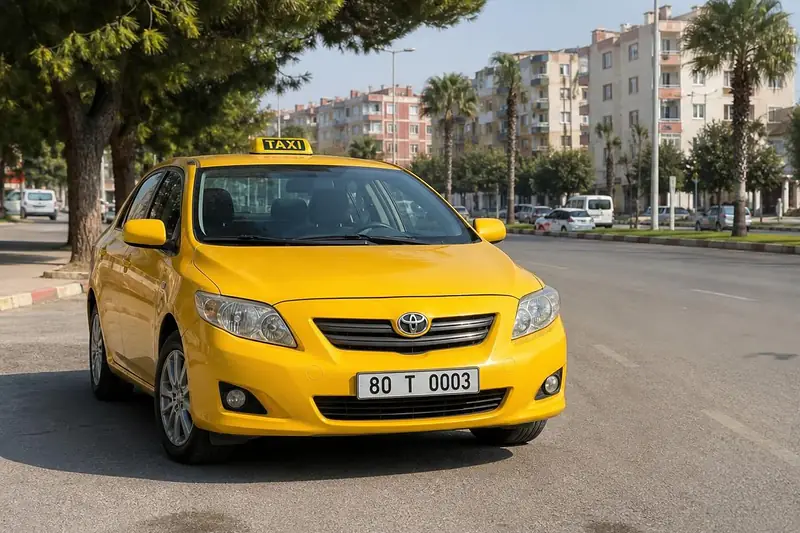
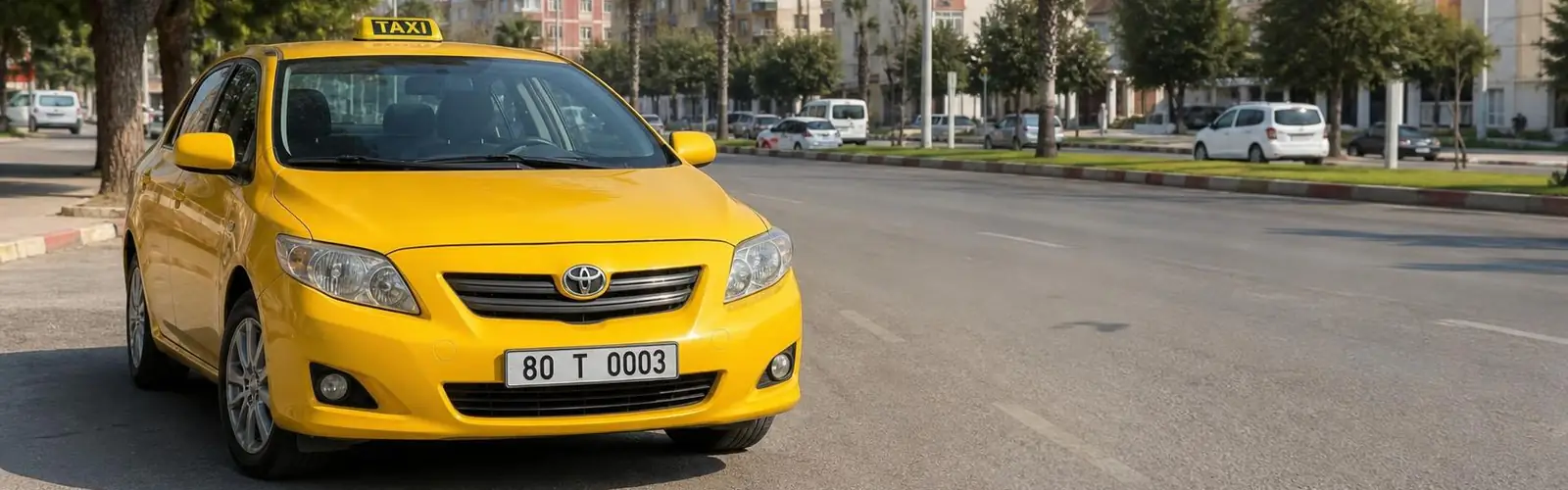
The way taxi fares are paid in Türkiye is changing. Tax Procedure Law General Communiqué No. 591 (Vergi Usul Kanunu Genel Tebliği, Sıra No: 591), published in the Official Gazette of 13 February 2026, issue 33167, requires taxis to use a Taxi Fiscal Device (Taksi Mali Cihaz) that works together with the taximeter, and to accept card payments. The original deadline in the communiqué was 1 September 2026; with an announcement published on 27 August 2026, the Revenue Administration (Gelir İdaresi Başkanlığı, GİB) moved this date to 16 November 2026. As a stand that takes payments behind the wheel every day, we explain, article by article, what passengers should expect from this change.
What is a Taxi Fiscal Device?
A Taxi Fiscal Device is a device approved by the Ministry that works connected to the taximeter or has taximeter functions built in, operates online and can take card payments (with EFT-POS functionality) (Communiqué Art. 3). The communiqué also states its purpose plainly: to support the registered economy and to increase compliance with documentation rules and the availability of card payments (Art. 1).
What matters most to passengers is how the device works with the taximeter. According to the technical requirements of the communiqué (Art. 5/7):
- As soon as the taximeter is switched on, a transaction also starts on the device; when the fare is calculated, the transaction closes on the device too.
- The amount is passed to the device from the taximeter automatically; no amount can be typed into the device by hand.
- The taximeter cannot start a new ride until a receipt or e-document has been issued.
In other words, under the new system every ride will be documented with the amount the taximeter calculates.
When does the requirement start?
For existing taxis, the deadline for starting to use the device is now 16 November 2026. The communiqué gives the Revenue Administration the power to extend its deadlines, by no more than six months each time (Art. 16/1); the latest extension was made under this power (GİB deadline extension announcement, 27.08.2026).
There is a separate 15-day period for card payments: within 15 days of the date from which the driver must use the device, they must sign a merchant agreement with at least one bank or payment institution and accept card payment requests through the device (Art. 12/4). Taxi drivers whose business income is assessed under the simplified method are also covered by the rule (Art. 12/1).
During the transition period, not every taxi may take cards. If you'll pay by card, asking before you get in is the easiest way to avoid a surprise at the end of the ride. Because the deadlines may be extended again, follow the current date in GİB announcements.
What can you ask for as a passenger?
Once the device is in use, your options become clear:
- Card payment: The taxi driver must accept your request to pay by credit or debit card (Art. 12/4).
- Document: A receipt or e-Archive invoice is issued from the device for every ride (Art. 5/7 and Art. 13). When you pay by card, instead of a separate POS slip, a single document is issued that also includes the bank transaction details; the communiqué calls this an “integrated receipt” (bütünleşik fiş), and the e-document version an “integrated document” (bütünleşik belge) (Art. 3).
- A receipt that replaces an invoice: If you need an invoice, give your Turkish ID number or tax ID number. A receipt carrying this number counts as a “document replacing an invoice”; no separate invoice is issued for the same ride (Art. 13/1).
- Motorway tolls on a separate line: Bridge and motorway tolls are collected together with the fare, but shown on a separate line of the receipt or e-document (Art. 16/3).
- Don't be surprised if your name isn't on it: For rides below the invoicing threshold, it's normal for the e-Archive invoice to say “NİHAİ TÜKETİCİ” (final consumer) instead of the buyer's name; the communiqué requires devices to be able to issue the document this way (Art. 13/2).
Tip: If you'll claim expenses in your company's name, save the tax ID number in your phone's notes; it makes it easier to give at the moment of payment.
Why is there no separate POS terminal?
Because the communiqué ties card payments to a single channel. Banks and payment institutions may not give taxi drivers mobile or countertop EFT-POS terminals, Soft-POS solutions, virtual POS applications or any similar payment tool (Art. 16/4). The card goes through the fiscal device linked to the taximeter, and the amount charged to the card is the amount the taximeter calculated.
Where does the trip information go?
Information on the receipts and e-documents issued from the device is reported electronically to the Revenue Administration's IT units (GİB Teknoloji); this reporting is the device manufacturer's obligation (Art. 14/1). Taximeter manufacturers must also report data such as trip duration, route information and fare at set intervals (Art. 14/2). The communiqué also answers a question that may come to mind when you use your card: financial and fiscal data on the device are treated as sensitive data, and manufacturers may not share them with third parties (Art. 16/2).
How do you check the amount on the receipt?
Within the city, the amount on the receipt is the taximeter's calculation, and the taximeter runs on the tariff set by Osmaniye Municipality. The amount starts with the flag-down fee and rises with the kilometres driven and the minutes spent waiting; on a very short ride, the lowest fare, indi-bindi, applies. You can watch this rise on the taximeter display throughout the ride; the figure on the receipt should match the final amount you saw on the display.
We explain the taximeter's components on our Osmaniye taxi fares page. Because the tariff is updated from time to time, we don't put figures on our site; you can ask for the current fare by phone or on WhatsApp. If the document has a motorway toll line, read it separately from the fare when you look at the total.
Paying when you ride with us
With us you can pay in cash or by card; if you need a receipt, say so at the start of the ride. Within the city, what you pay is what the taximeter shows when you arrive. For airport and out-of-town trips, we give you the price before setting off, and we settle how that trip will be paid for and documented together with the quote. You'll find the quote template for long trips on our intercity taxi page. If you'd like to run staff and guest trips regularly in your company's name, take a look at our corporate taxi page.
Frequently asked questions
Yes, it has. With its announcement of 27 August 2026, the Revenue Administration (Gelir İdaresi Başkanlığı, GİB) moved the date by which existing taxis must start using the Taxi Fiscal Device from 1 September 2026 to 16 November 2026. A further 15 days after that date are allowed for starting to accept card payments (Tax Procedure Law General Communiqué No. 591, Art. 12/4). Because the communiqué also allows the deadlines to be extended again, check the current date in GİB announcements.
Yes, provided your Turkish ID number or tax ID number is on the receipt. Under Article 13 of General Communiqué No. 591, when the fare exceeds the invoicing threshold or the passenger asks for an invoice, the receipt issued automatically by the Taxi Fiscal Device counts as a document replacing an invoice, and no separate invoice is issued for the same ride. On devices that issue e-documents, the document is given as an e-Archive invoice (e-Arşiv fatura).
Yes, they're shown separately. Under General Communiqué No. 591, bridge and motorway tolls are collected together with the fare, but shown on a separate line of the receipt or e-document issued from the Taxi Fiscal Device (Art. 16/3). If the motorway will be used on the way to Çukurova Airport or Adana, our quote also states separately whether the toll is included in the price, so the lines on the document come as no surprise.
Not under the new rules; card payments are taken through the Taxi Fiscal Device linked to the taximeter. Under General Communiqué No. 591, banks and payment institutions may not give taxi drivers mobile or countertop EFT-POS terminals, Soft-POS solutions or virtual POS applications (Art. 16/4). This way, the amount charged to the card is the same as the amount the taximeter calculates and passes to the device automatically.
